

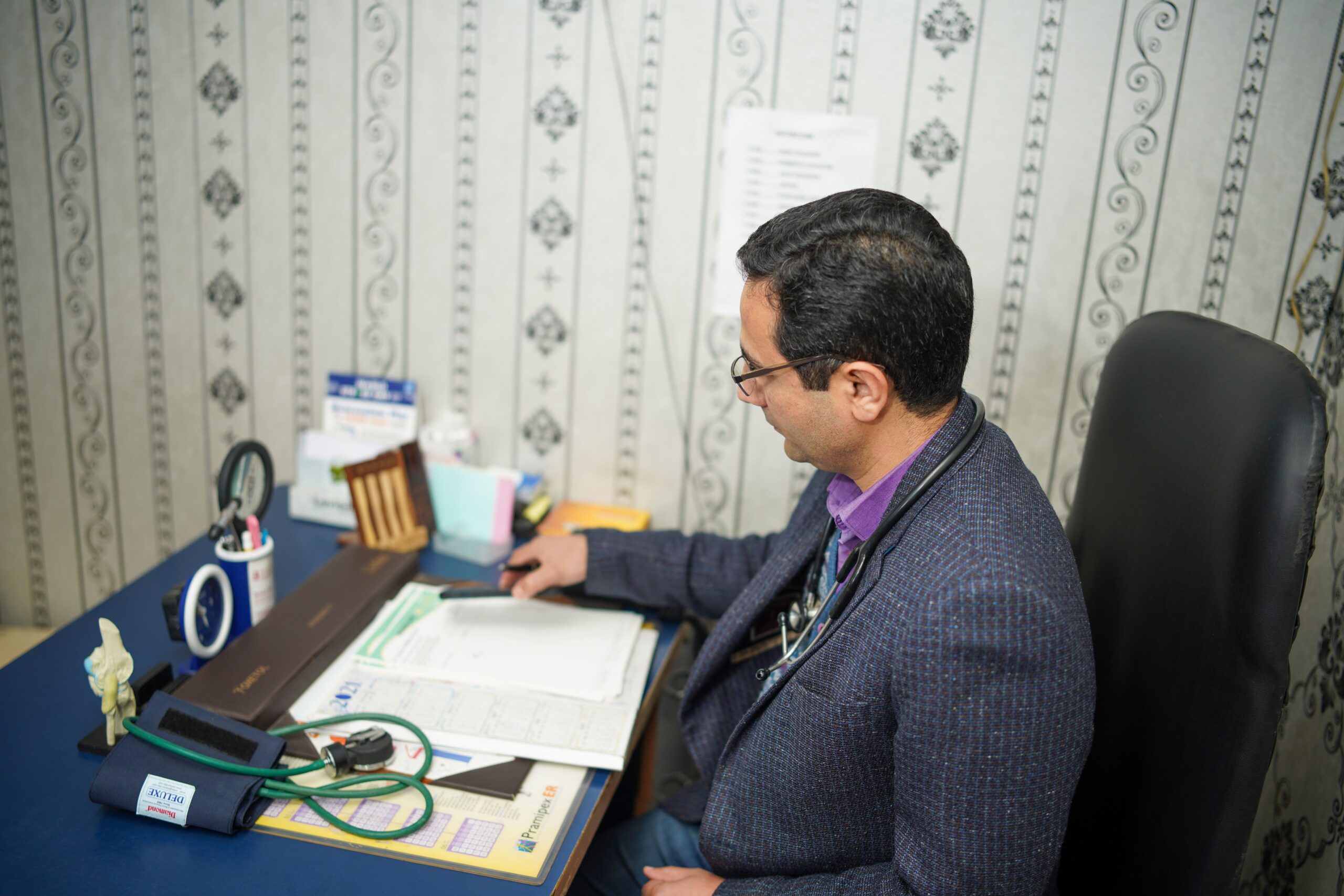
Dallas Medical Marijuana Doctor: How to Get Evaluated in Texas
If you are searching for a Dallas medical marijuana doctor, it is important to understand how Texas’s medical cannabis program works and what steps you need to take to determine whether you qualify.
Texas operates the Compassionate Use Program (CUP), which allows qualified physicians to prescribe low-THC cannabis to eligible patients with certain medical conditions. The program is administered through the Texas Department of Public Safety (DPS).
How Can a Dallas Medical Marijuana Doctor Help?
A qualified medical marijuana physician can evaluate your medical history, discuss your condition and symptoms, and determine whether medical cannabis may be appropriate under Texas law.
If you qualify and the physician determines that the potential benefits outweigh the risks, the physician can enter your prescription into the Compassionate Use Registry of Texas (CURT). Patients do not independently register themselves in CURT.
Who May Qualify for Medical Marijuana in Dallas?
Texas has expanded its Compassionate Use Program to include a range of qualifying conditions. Depending on current Texas rules, qualifying conditions can include:
Epilepsy and seizure disorders
Multiple sclerosis
Spasticity
Amyotrophic lateral sclerosis (ALS)
Autism
Cancer
Post-traumatic stress disorder (PTSD)
Crohn’s disease and other inflammatory bowel disease
Certain conditions causing chronic pain
Traumatic brain injury
Terminal illness or conditions receiving hospice or palliative care
Certain incurable neurodegenerative diseases
Texas has also made changes to the Compassionate Use Program in recent years, so eligibility should be evaluated under the current state requirements.
Do You Get a Medical Marijuana Card in Texas?
Unlike many other states, Texas does not issue a traditional physical medical marijuana card to patients participating in the Compassionate Use Program.
Instead, a qualified physician enters the prescription into CURT. A licensed dispensing organization can then access the patient’s prescription through the registry.
This means you should be cautious about websites promising to provide a physical “Texas medical marijuana card.” The actual Texas program uses physician prescriptions and the CURT system.
What Is the Process?
For Dallas residents interested in medical cannabis, the process generally involves:
1. Schedule an Evaluation
Start by scheduling an appointment with a physician who participates in the Texas Compassionate Use Program.
2. Meet With the Doctor
During your evaluation, the physician can review your medical condition, medical history, current treatments, and other relevant information.
3. Determine Eligibility
If you have a qualifying condition and the physician determines that medical use of low-THC cannabis is appropriate, the physician can prescribe it through CURT.
4. Prescription Is Entered Into CURT
The physician enters the prescription electronically into the Compassionate Use Registry of Texas.
5. Visit a Licensed Dispensary
Once your prescription is available in CURT, you can obtain your prescribed low-THC cannabis from a licensed Texas dispensing organization.
Why Choose a Dallas Medical Marijuana Doctor?
For Dallas-area patients, working with a qualified physician can make it easier to understand whether your condition may meet Texas requirements and what to expect from the evaluation process.
A medical marijuana evaluation is also an opportunity to discuss questions about low-THC cannabis, potential benefits and risks, and whether it may be appropriate as part of your treatment plan.
Schedule Your Dallas Medical Marijuana Evaluation
If you are looking for a Dallas medical marijuana doctor, AMD Physicians Group can help eligible Texas patients connect with physicians for a medical cannabis evaluation.
Schedule an appointment to discuss your condition and learn whether you may qualify under the Texas Compassionate Use Program.
Dallas Medical Marijuana Doctor — Schedule Your Evaluation Today.
Medical cannabis eligibility and program requirements are determined under Texas law. A physician must independently determine whether prescribing low-THC cannabis is appropriate for a particular patient.